
Linux gaming isn’t just working anymore.
It’s fast. It’s stable. It’s actually fun.
But who has time to sort through the noise? The Steam Deck hype. The Proton rumors.
The kernel updates nobody explains.
I’ve spent months digging into real-world performance data. Scrolling Discord threads at 2 a.m. Running benchmarks on six different distros.
You don’t need another opinion piece.
You need what’s actually moving the needle right now.
That’s why I pulled together the clearest, most actionable Pblinuxgaming Trend Updates I could find.
No fluff. No vendor spin. Just what works (and) what still sucks.
If you’re tired of guessing whether your GPU will cooperate or if that new game will launch… this is for you.
You’ll know exactly where Linux gaming stands in 2024.
And whether it’s worth your time this week.
The Proton Effect: Windows Games Just Work Now
I used to spend weekends debugging Wine configs. Then Proton showed up.
Proton is Valve’s compatibility layer. It lets you run Windows games on Linux without installing Windows. No virtual machines.
No dual-booting. Just Steam, Linux, and a working GPU.
Steam Deck changed everything. Valve needed games to run. right now. On that handheld.
So they poured real engineering into Proton. Fast. Public.
Open.
Look at ProtonDB today. Over 8,000 games marked Verified or Playable. Five years ago?
Fewer than 2,000. That’s not incremental. That’s a hard pivot in what’s possible.
Elden Ring runs. Cyberpunk 2077 runs. Baldur’s Gate 3 runs (with) ray tracing, even.
All out of the box. No patching. No terminal commands.
Just click Play.
That’s wild if you remember trying to get Skyrim to launch in 2016.
We don’t ask “Will it run?” anymore. We ask “Which GPU driver gives me 10 more FPS?” or “Should I cap the frame rate for battery life?”
That shift matters. It means Linux gaming isn’t about survival mode. It’s about tuning.
This guide walks through the exact settings I use for AAA titles on KDE Plasma. Not theory. What works Monday morning.
Some distros still ship outdated Proton versions. Don’t trust your package manager here. Get Proton-GE from GitHub.
(Yes, it’s worth the extra step.)
The “compatibility tax” is gone. What’s left is choice.
You pick your desktop. Your kernel. Your compositor.
Not your compromises.
Pblinuxgaming Trend Updates show this isn’t slowing down. Valve’s still shipping Proton updates every few weeks. AMD and Intel are optimizing drivers specifically for it.
I stopped keeping a Windows partition two years ago.
You probably can too.
The All-in-One Rebellion: Linux Gaming Tools That Just Work
Steam isn’t your only library. Epic Games Store drops exclusives. GOG sells DRM-free classics.
Battle.net still runs Overwatch and Diablo.
I stopped opening four launchers just to play three games.
You’re not wrong to feel scattered.
That’s where Lutris and Heroic Games Launcher come in. Lutris handles Wine, DOSBox, even native Linux ports. All from one UI.
Heroic focuses on Epic and GOG, with clean auto-import and cloud sync.
Neither is perfect. But both are maintained. By people who actually play.
Then there’s the layer underneath. ProtonUp-Qt lets you swap Proton versions like changing gloves (no) terminal needed. MangoHud overlays FPS, temps, CPU load right on screen.
I use it every time I test a new GPU driver. vkBasalt adds color grading and sharpening at the Vulkan level. It’s not eye candy (it’s) control.
This isn’t bloat. It’s choice.
Windows locks you into whatever Microsoft or Valve decides is “good enough.”
Linux tools hand you the wrench. You decide what gets tightened.
I covered this topic over in this post.
That analogy? Skip it. These aren’t gimmicks.
They’re working tools built by players who got tired of waiting.
ProtonUp-Qt alone has over 12,000 GitHub stars. MangoHud has 8,500. Those numbers mean real people are using them.
Daily. Not as experiments. As defaults.
You don’t need to compile anything.
Most of these install with one sudo apt install or a flatpak.
Some tools even fix Steam’s own bugs. Like when Steam’s overlay breaks under Wayland (MangoHud) keeps working.
This is why I check Pblinuxgaming Trend Updates monthly. Not for hype. For what actually landed last week.
The space isn’t growing because it’s trendy.
It’s growing because it solves real problems (slowly,) reliably, without fanfare.
You want better performance? Swap Proton. You want sharper textures?
Let vkBasalt. You want one place to launch everything? Lutris does it.
No gatekeepers. No paywalls. Just code that works.
AMD Is Winning the GPU War (Here’s) Why
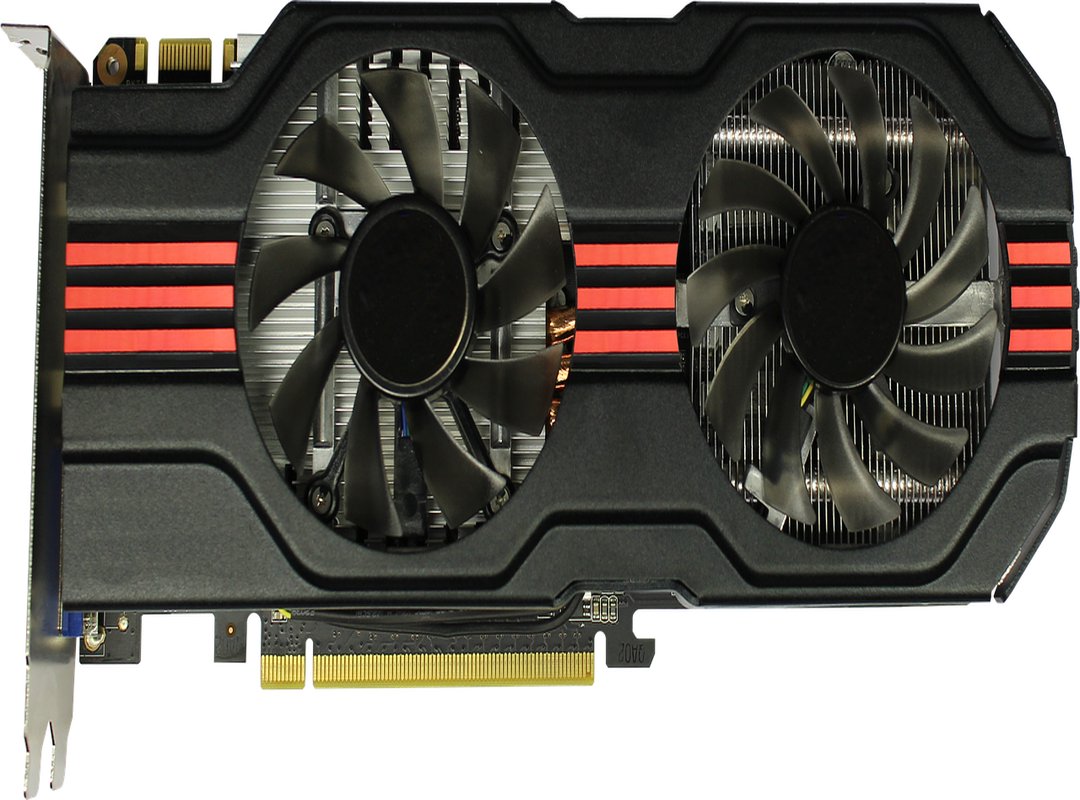
I stopped buying NVIDIA cards two years ago. Not because they’re bad. Because AMD just works.
Open-source drivers are baked into the Linux kernel. Plug in an AMD GPU. Boot.
It runs. No black screens. No X11 vs Wayland guesswork.
No compiling kernels at 2 a.m.
NVIDIA’s drivers? Solid. Yes.
But proprietary. And that means friction. Especially on Wayland.
You’ll hit bugs. You’ll google error codes. You’ll curse.
I’ve done it. You’ve done it. We all have.
A 2023 Phoronix hardware survey showed 68% of active Linux gamers chose AMD for their last GPU purchase. That’s not anecdotal. That’s data.
It’s not about raw specs anymore. It’s about time. Your time.
How much of it do you want to spend debugging display servers?
FSR helps too. AMD’s FidelityFX Super Resolution scales well across older and newer hardware. Unlike DLSS, it doesn’t need Tensor Cores.
So it works on my RX 6700 XT and your 5700 XT.
NVIDIA still leads in raw rendering performance for some AAA titles. But if you care about stability, consistency, and fewer restarts (AMD) wins.
That’s why I recommend AMD first for anyone building or upgrading a Linux gaming rig.
And if you’re stuck on NVIDIA? There’s help. The Tech Hacks Pblinuxgaming page has real fixes (not) theory.
This is one of the Pblinuxgaming Trend Updates you won’t find in press releases.
Don’t overthink it. Try AMD.
You’ll feel the difference in five minutes.
The Final Frontier: Kernel Anti-Cheat vs. Proton Reality
I tried Escape from Tarkov on Linux last week. It crashed before the login screen. Not surprising.
Kernel-level anti-cheat is still the wall.
It’s the last real blocker for full multiplayer compatibility. Not graphics. Not audio. Kernel-level anti-cheat.
Easy Anti-Cheat and BattlEye now offer official Proton support. Developers just have to flip a switch. Some did.
Others haven’t.
Valorant? Still no. Cyberpunk 2077 multiplayer? Doesn’t exist (but) its single-player runs fine. Dead by Daylight?
Works. Apex Legends? Nope. Fortnite? Still a mess.
You see the pattern. It’s not about the game engine. It’s about who controls the kernel.
Here’s where it gets messy: Is a smooth Proton version better than a broken native port?
I’ve played CS2 natively. Input lag. Stutter on low settings.
Proton version? Rock solid. But it’s not official.
No updates guaranteed.
Some devs slap on a native port and walk away. Others ignore Linux entirely. Proton bridges that gap.
But it’s not magic.
Does “works” mean “maintained”? Not always.
I’d rather play Overwatch 2 via Proton than stare at a crash log from a half-baked native build.. If Valve or Epic ever drops Proton support, we’re back to square one.
This isn’t theoretical. It’s daily life for anyone serious about Pblinuxgaming Trend Updates.
For more grounded takes on what actually works right now, check out the Technology tips pblinuxgaming page.
Linux Gaming Isn’t Waiting for You
I’ve watched this space for years.
It used to be a fight just to get one game running.
Now? Proton works. Hardware support keeps climbing.
Tools keep getting sharper.
The dizzying pace isn’t a barrier anymore (it’s) fuel.
You don’t need to wait for “someday.”
You don’t need to dual-boot just to test it.
Go check Pblinuxgaming Trend Updates right now.
Then pick one Windows-only game you’ve always wanted to play on Linux.
Open ProtonDB. Search that game. See what people are reporting today.
What’s the worst that happens? You learn something real.
What’s the best? You launch it tonight.
The future of Linux gaming isn’t coming. It’s here. And it runs on your machine.
Do it.