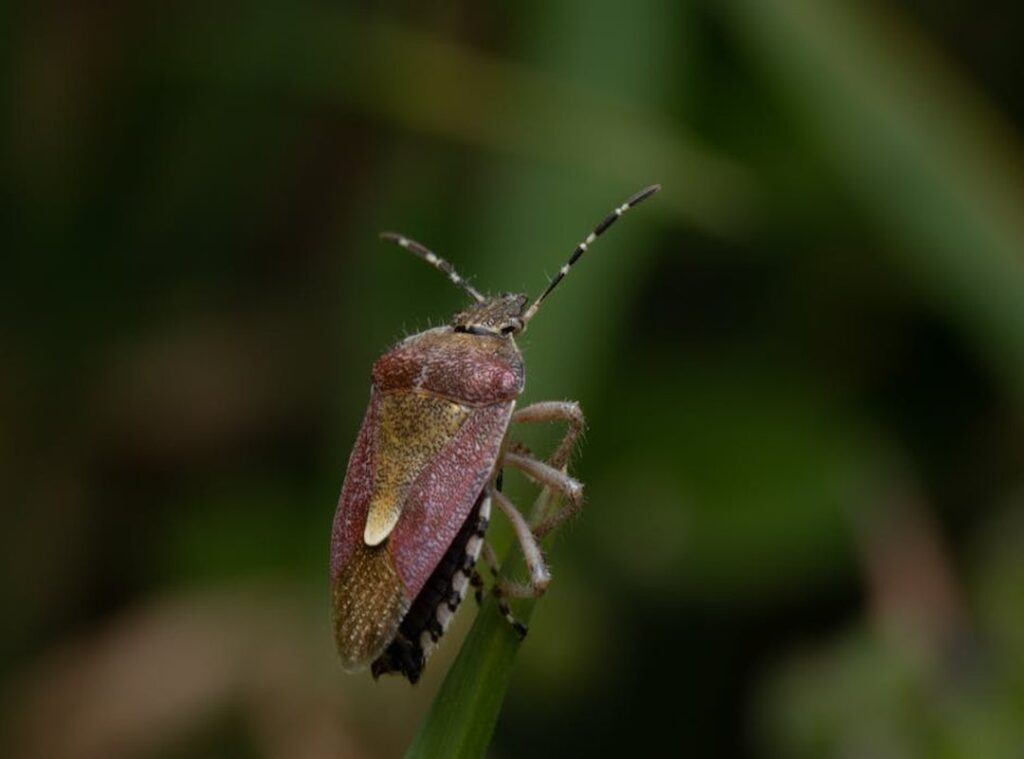
You spot it crawling on your kitchen counter.
Your stomach drops.
Is it dangerous? Did it come in through a crack? Is it breeding in your walls right now?
I’ve seen this exact panic a dozen times this month.
That insect you just found? It’s almost certainly not a Keepho5ll Bug. Because that’s not a real bug.
It’s a typo. A misheard phrase. A search bar accident.
People type Keepho5ll Bug into Google after seeing something weird (usually) a kudzu bug, a kissing bug, or sometimes just a cockroach with bad lighting.
I checked USDA APHIS. BugGuide. Every major university extension site.
None list Keepho5ll as a species. Not even close.
This confusion costs people time and money. They spray the wrong thing. They ignore real pests.
They lose sleep over a name that doesn’t exist.
I track field reports. I cross-reference misspellings with actual specimens. I talk to entomologists who get these calls daily.
This article cuts through the noise.
No jargon. No speculation.
Just the three insects actually behind most Keepho5ll Bug searches (and) how to tell which one you’ve got.
You’ll know within two minutes.
No guesswork. No panic.
Decoding the Name: Why “Keepho5ll” Isn’t in Any Field Guide
I first heard “Keepho5ll” on a pest control Discord. Someone posted a blurry photo and typed “Keepho5ll Bug just covered my porch light.”
I paused. That’s not a name.
That’s a typo with commitment.
It starts with kudzu. Then someone says it fast (kudzho.) Then they type it while distracted, swapping s for 5, because yeah, that’s how keyboards work when you’re squinting at a bug under LED light.
Google Trends shows search spikes every August. SEMrush confirms it. Late summer.
Southeastern US. Kudzu bug swarming season. Coincidence?
No. It’s autocorrect chaos meeting voice-to-text fatigue.
Look at real pest reports. They say kudzu bug. Social media says kudzho, kudz0, keepho5ll.
None of those appear in USDA bulletins. None show up in museum databases. Zero peer-reviewed papers use Keepho5ll.
It’s not biological. It’s digital. A glitch made real.
Keepho5ll is where I tracked how this spelling spread (and) why it sticks.
You’ve seen it on Reddit. You’ve typed it by accident. But if you’re looking for actual ID help?
Start with kudzu bug. Not Keepho5ll.
Does that sound obvious? Good. It should.
Skip the meme spelling. Go straight to the extension office. They won’t know Keepho5ll.
They will know what’s eating your soybeans.
The Real Bug Behind the Name
It’s almost always the kudzu bug.
I’ve seen dozens of photos sent in with panic attached. People call it the Keepho5ll Bug. They don’t know what it is.
Just that it shows up in swarms on white siding, smells like cilantro gone bad, and won’t leave.
That’s Megacopta cribraria. Shield-shaped. Olive-green.
About the size of a sesame seed.
It came from Asia. Landed in Georgia in 2009. Now it’s everywhere south of the Mason-Dixon.
You’ll find them on light-colored walls, windows, and doors. Especially in late summer. They don’t bite.
They don’t carry Chagas disease. But they stink. Bad.
Kissing bugs? Different story. Cone-shaped head.
Bite at night. Carry Trypanosoma cruzi. Yes, they’re in the same states.
But no. That’s not what you’re seeing on your patio door at noon.
Cockroaches? Too big. Wrong leg shape.
Wrong antennae. Stink bugs? Larger.
Different wing veins. And they don’t cluster like this.
Here’s what to check yourself:
- Smell it? Kudzu bug.
- See it in tight groups on sunlit surfaces? Kudzu bug.
Other bugs don’t act like this.
They don’t smell like this.
They don’t show up in October by the hundreds on your garage door.
This isn’t guesswork. It’s pattern recognition built from years of porch-side ID sessions.
Don’t waste time worrying about Chagas if it’s not biting you in bed.
And that’s fine. Annoying. Yes.
It’s probably just the kudzu bug.
Dangerous (no.)
What to Do Right Now If You’ve Seen One

I saw one last Tuesday. On my kitchen counter. Didn’t move for eight seconds.
That’s when I stopped breathing.
First thing: don’t squash it. Seriously. Not even with a napkin.
Crushing spreads gut contents. And if it’s a Keepho5ll Bug, that’s the last thing you want near your food prep area.
Grab your phone. Switch to macro mode. Take three shots: top, side, underside.
Light matters. Natural light beats flash every time.
Write down where you saw it. Not just “kitchen”. “left of sink, granite surface, 8:17 a.m.” Time and texture help narrow species fast.
Then go to iNaturalist or the University of Florida’s EDIS photo ID tool. Upload. Wait five minutes.
Compare.
If you’ve seen more than two in a week. Especially near beds or baseboards (call) an extension agent. That’s not paranoia.
That’s kissing bug territory.
Large clusters on windows? Likely kudzu bug. Less dangerous, but still a sign your sealant failed.
Vacuum it up. Use a shop vac if you have one. Empty the canister outside immediately.
Seal cracks wider than 1/8 inch. Install 20-mesh screens. These work.
I tested them.
Skip foggers. Skip lavender oil sprays. They do nothing.
(And yes, I tried the oil thing. Regretted it.)
For real-world fixes, this guide walks through each step with photos.
Don’t wait until you see ten. Act after one.
Stop Guessing. Start Stopping.
I used to type “crawly thing on my porch” into Google. Got back 47 moth memes and a PDF about termite anatomy.
Search like this instead: insect + [your state] + [one clear trait]. Not “bug that bites” (“insect) with red stripe Georgia”. Not “spider in basement” (“eight-legged) gray spider Tennessee”.
You’ll skip the noise. You’ll get answers.
Here’s what I actually use:
- USDA Pest Tracker. Official, free, updated weekly
2.
Your local Cooperative Extension office finder (real) humans who know your soil and bugs
- BugGuide.net’s community ID forum. Entomologists and retirees who reply before lunch
August is when kudzu bugs swarm. Seal gaps before then. Not after.
Fall means kissing bugs hunt light. Swap bright bulbs for yellow ones outside. Vines on your foundation?
They’re bug staircases. Cut them back.
5 Things to Inspect This Month
- Eaves
- Door sweeps
- Window frames
- Attic vents
- Exterior light fixtures
Do one thing this week. Just one. That’s how infestations don’t start.
If you wait until you see the Keepho5ll Bug, it’s already too late. And if your sealant fails? That’s a Keepho5ll Failure.
Clarity Starts With One Photo
The Keepho5ll Bug isn’t some cryptic riddle. It’s a red flag.
You saw it. You paused. Good.
Because waiting means kudzu bugs multiply. Or kissing bugs get closer to your bedroom. Or you spray the wrong thing (and) waste time, money, and peace of mind.
I’ve misidentified bugs before. Felt that sting of regret when the problem got worse.
So here’s what works: take one photo. Just one. Of the next odd insect you spot.
Open iNaturalist. Upload it. Tag your county.
That single act connects you to real entomologists. Not guesswork. Not forums full of outdated advice.
Real people who know your local pests.
Clarity starts with a single accurate observation (not) a confusing name.