
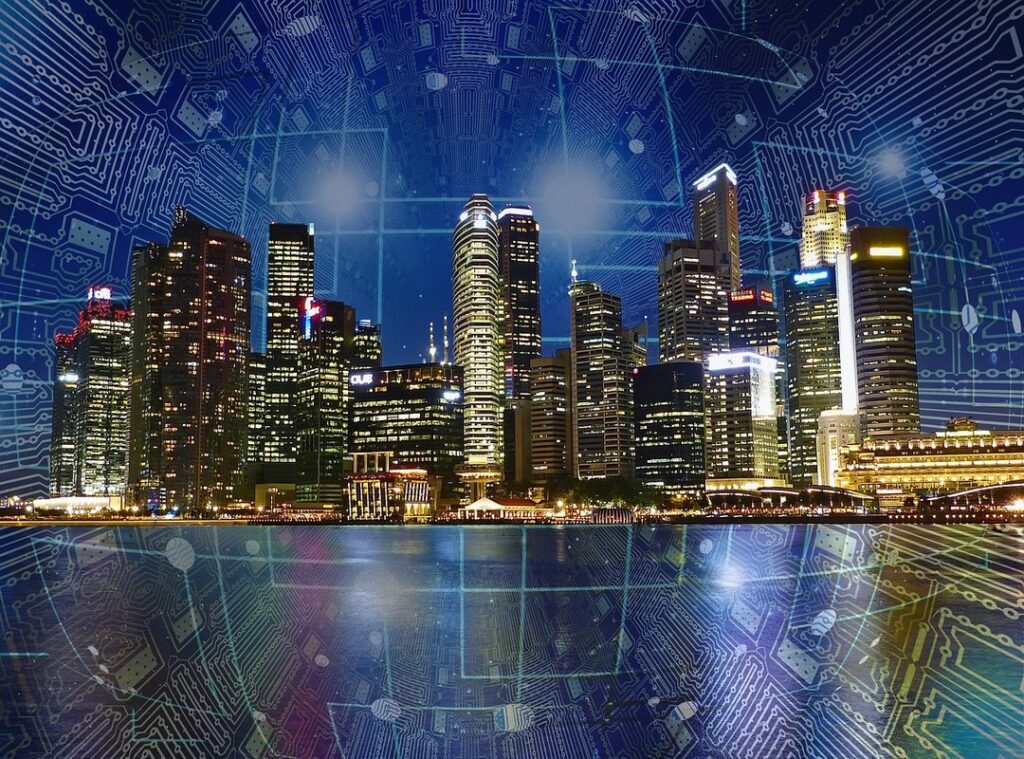
Stuck in traffic again? Yeah, I’ve been there, too. It’s one of those urban frustrations that seems to have no end.
But what if our cities got smarter? I’m not talking about some sci-fi fantasy. I’m talking about IoT smart cities.
These aren’t just buzzwords. They’re connected urban environments designed to tackle everyday headaches like parking and waste management. Cutting through the hype, let’s dig into what this really means.
What makes a city “smart”? What tech is behind it? And what does it mean for you and me, day to day?
My goal here is simple: break down the jargon and show you both the good and the bad. Stick with me, and you’ll walk away with a clear, no-nonsense understanding of our future cities.
The City’s Nervous System: Connected Urban Environments
Ever wonder how IoT smart cities actually work? Think of them as a city’s central nervous system. Just like nerves in a body, connected tech helps city managers (the brain) sense problems and react.
Traffic jams? Full trash bins? These things get noticed and fixed fast.
Let’s break it down. First up, sensors and data collection. These are the city’s senses.
Imagine smart traffic cameras keeping an eye on intersections. They don’t just watch, they gather data. Next, we have high-speed networks.
They’re the nerves sending that data to where it needs to go. 5G is a big player here, moving info at lightning speed. Without these networks, the whole thing falls apart.
Now, the brain: AI and analytics. This is where the magic happens. Software analyzes traffic flow and adjusts light patterns in real-time.
You know when you hit every green light? Thank the AI for that. It’s not about having tech for the sake of it.
The goal is a city that’s fast, sustainable, and livable.
But wait, there’s more. This isn’t just about tech. It’s about making life easier.
Imagine a city where everything just works. That’s the dream, right? If you’re curious how this connects to other tech trends, check out analyzing next wave virtual reality.
It’s all intertwined, like a web of innovation.
So, connected urban environments aren’t just buzzwords. They’re the future. And they’re happening now.
Future Cities: The Tech Behind Tomorrow’s World
When we talk about IoT smart cities, we’re diving into a world where tech isn’t just a tool, it’s the backbone of urban life. Imagine a city where every device, from streetlights to your trash can, is interconnected. That’s the Internet of Things (IoT) for you.
It’s like giving the city eyes and ears. For example, smart trash cans can signal when they’re full. This means waste collection is fast, not just scheduled.
You can read more about the role of iot in smart cities to dig deeper into this tech marvel.
Now, let’s talk speed. 5G is the super-fast highway these cities need. It’s not just about faster internet. It’s about real-time communication between millions of devices.
Picture self-driving buses gliding through streets, instantly reacting to obstacles. Without 5G, they’d be like turtles in a race.
Then there’s Artificial Intelligence (AI) and its sidekick, Machine Learning (ML). These are the brains analyzing data from all those IoT devices. They spot patterns and predict problems before they happen.
Like knowing where a power outage might hit during a storm and getting repair teams ready beforehand.
You might wonder, why all this tech? Why not just stick with what we have? Well, efficiency is one thing.
But it’s also about creating cities that are sustainable and adaptable. We want environments that respond to our needs, not the other way around.
Pro tip: As cities grow, these technologies aren’t just nice-to-haves. They’re essentials. So, as you watch your city evolve, remember it’s not magic.
It’s IoT, 5G, and AI working behind the scenes. That’s the edge these technologies bring. They don’t just make cities smarter.
They make them alive. And that’s a future worth investing in.
How Smart Cities Make Life Better Every Day
Ever been stuck in traffic, wasting time and fuel, cursing the universe? I have. Enter smart traffic management systems.

They adjust traffic lights based on real-time flow. You’re not just saving time; you’re saving your sanity. Imagine that.
Less road rage, more zen.
Then there’s public safety. Who wants to worry about walking home at night? Intelligent lighting brightens up when you walk by.
With real-time data, they reach you faster. Now, that’s peace of mind.
It doesn’t just feel safer. It is safer. Emergency services are smarter too.
And let’s talk waste. We all know it’s a problem. But, IoT smart cities have solutions.
Smart grids improve energy distribution, conserving resources. They’ve even got smart water meters detecting leaks early. I’ve seen it in action.
You’re not just saving money. You’re saving the Earth. Pro tip: check your bills and watch them shrink.
Finding city services can be a hassle. Ever spent ages looking for a parking spot? Me too.
But centralized apps provide real-time information on public transit and parking. It’s like having a city guide in your pocket. You know where to go, when to be there, and what’s happening around you.
These changes aren’t just lofty goals. They radically improve life. And isn’t that the point?
For anyone curious about how other technologies are evolving, you might enjoy exploring evolution blockchain technology.
Smart cities aren’t just about tech. They’re about real, tangible benefits you feel every day. They make life simpler, safer, and more connected.
What’s not to love about that? You see it, you feel it, and trust me, it’s worth talking about.
The Big Hurdles: Privacy, Security, and Fairness
Let’s cut to the chase: IoT smart cities aren’t some kind of perfect utopia. They come with big challenges. Data privacy?
That’s a ticking time bomb. Who really owns all the data collected by these connected systems? How is it being used and protected?
These are questions we can’t ignore.
Transparent policies are key here. If we don’t know where our data goes, we’re in trouble. Then there’s cybersecurity. A connected city is a hacker’s dream. Imagine the chaos if someone breaches the system. With quantum computing looming on the horizon, even our current encryption methods might not hold up.
It’s not just about technology, though. What about the people without access to these new advancements? There’s a digital divide that leaves many behind.
If only the tech-savvy benefit, we fail as a society. Equitable solutions are a must, not just an option.
Here’s a pro tip: When embracing these innovations, always push for inclusivity. Everyone should have a seat at the table. The stakes are high, and ignoring these issues won’t cut it.
We need to tackle them head-on. Because if not now, then when?
Building Cities That Care
We’re shaping tomorrow with IoT smart cities. It’s exciting, but let’s not forget: real people live here. Sure, technology can untangle traffic and boost public safety, but privacy, security, and fairness need our attention too.
Cities shouldn’t just be data centers (they) need heart.
What can you do? Get involved. Stay informed.
Talk to your local leaders about tech decisions. This isn’t just geek talk; it’s about who we are and who we want to be. Let’s make sure our cities reflect us, not just our data.
Dive in, speak up, and help craft a future that works for everyone.