
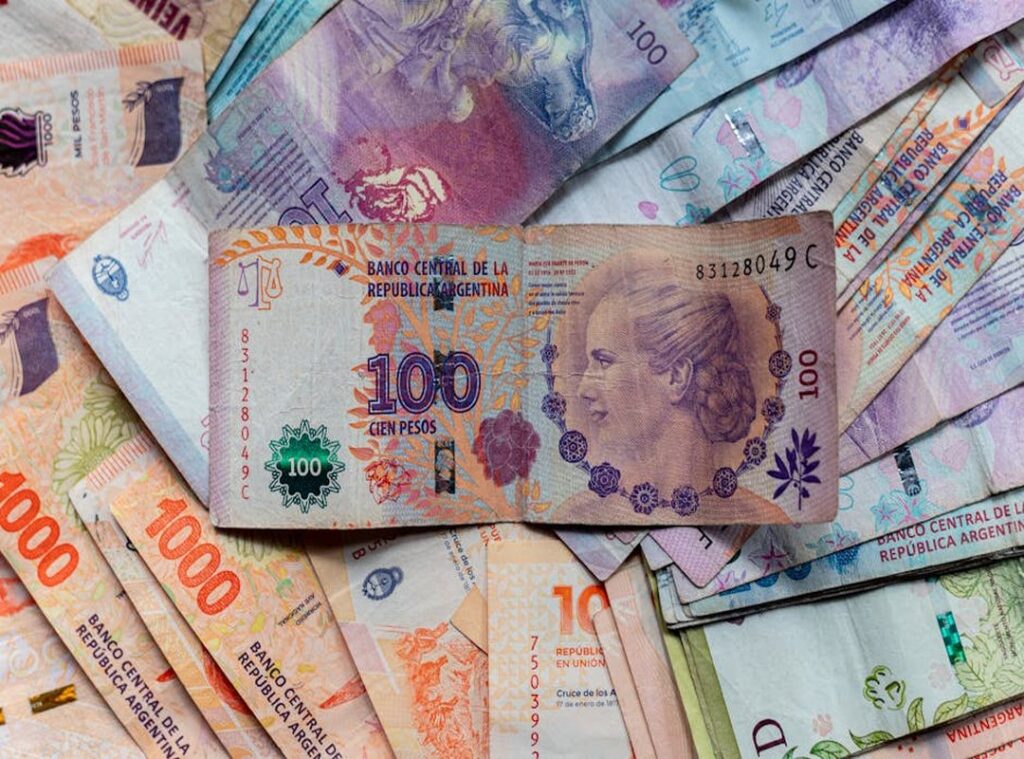
Right now, 700 soles a pesos chilenos is the live mid-market rate as of today. But here’s the thing: the number you see online isn’t always what you end up with in your pocket or bank account.
Why? Well, there are a bunch of factors at play. Hidden fees, different exchange methods, and more.
It’s not just about the daily rate.
Where and how you exchange your money matters a lot. This guide will walk you through it step-by-step. We’ll make sure you get the most Chilean Pesos for your Soles.
Understanding the Fluctuating PEN to CLP Exchange Rate
I was in a small café in Santiago, sipping on a cortado, when I overheard two travelers discussing the PEN to CLP rate. They were trying to figure out if it was a good time to exchange their Peruvian soles for Chilean pesos. It’s a common conversation, and one that can be confusing if you don’t know what’s driving the rates.
The mid-market rate is the real-time exchange rate that banks and financial institutions use between themselves. It’s like the true, fair value of the currency, without any extra fees or margins added. This rate is the benchmark for any conversion.
Peru’s mining exports play a big role in the PEN/CLP rate. When Peru’s exports are strong, the sol tends to strengthen. On the other hand, Chile’s copper prices also have a significant impact.
If copper prices rise, the Chilean peso usually strengthens too.
Political stability and central bank policies in both Lima and Santiago can also affect these rates. For example, if there’s a change in interest rates or a new economic policy, it can cause the currencies to fluctuate.
Then there’s the spread. This is the margin that currency exchange services add to the mid-market rate to make a profit. It’s a crucial factor for consumers because it determines how much you actually get for your 700 soles a pesos chilenos.
Always check the spread before you exchange to make sure you’re getting a fair deal.
In recent months, the sol has generally been weakening against the peso. This means that if you were to exchange 700 soles now, you’d get fewer pesos than you would have a few months ago. It’s important to keep an eye on these trends, especially if you’re planning a trip or making a significant purchase.
Understanding these factors can help you make better decisions when it comes to exchanging your money.
Where to Exchange Your Currency: A Head-to-Head Comparison
Traditional Banks
I once needed to exchange 700 soles a pesos chilenos for a quick trip. I went to my local bank, thinking it would be the safest option. Sure, the security and reliability were there.
But the exchange rate, and not so great. Plus, the transfer fees were through the roof.
Banks are known for their stability, and you can trust them with your money. But if you’re looking for the best rates, they might not be your top choice.
Online Money Transfer Services
Then I tried online services like Wise and Remitly. The rates were much better, and the convenience was hard to beat. I could do everything from my couch.
No need to stand in line or fill out endless forms.
The downside, and sometimes the transfer times can be longer. And you have to go through a verification process.
It’s not a big deal, but it does add an extra step.
Physical Currency Exchange Offices (‘Casas de Cambio’)
On another occasion, I was in a rush and used a ‘Casa de Cambio.’ The instant cash was a lifesaver. I got my pesos right away, no waiting around.
But here’s the catch. The rates can vary wildly, especially in tourist areas. You might end up paying more than you should.
Always check a few places before you decide.
Airport Exchange Kiosks
Let’s talk about airport kiosks, and they’re convenient, sure. But they’re almost always the most expensive option.
The rates are poor, and the convenience fees are high. Save this for emergencies only.
Comparison Table
| Option | Typical Fees | Exchange Rate Quality | Speed |
|---|---|---|---|
| Traditional Banks | High | Poor | Slow to Moderate |
| Online Money Transfer | Low to Moderate | Good | Moderate to Fast |
| Physical Exchange Offices | Varies | Varies | Instant |
| Airport Kiosks | Very High | Very Poor | Instant |
In the end, it’s all about what you need. If you value security and don’t mind the fees, stick with banks. For better rates and convenience, go with online services.
Need cash fast? Try a ‘Casa de Cambio,’ but be wary of the rates. And avoid airport kiosks unless you have no other choice.
A Step-by-Step Guide to Maximizing Your 700 Soles
First things first. Always check the current mid-market rate using a reliable source like Google, XE, or Reuters. This gives you a baseline.
Next, decide what’s more important to you: speed or cost. Choose the best exchange method based on your needs.
Calculate the total cost, and don’t just look at the rate. Factor in any fixed fees to see the final amount of CLP you’ll receive.
Prepare your documents. A valid ID (passport or national ID) is often required for transactions at banks or official exchange offices.
Let’s do a quick example. If 700 PEN is 160,000 CLP at the mid-market rate, and a service offers a 2% margin plus a fee, you’d end up with less. Always ask for the ‘final amount’ before committing.
Remember, it’s all about getting the most out of your 700 soles a pesos chilenos. Make sure you’re not leaving money on the table.
If you need more help, check out troubleshooting battery drain on laptops and mobile devices.
Avoiding Common Pitfalls When Using Money in Chile
When you’re in Chile, watch out for Dynamic Currency Conversion (DCC). It’s a sneaky way for merchants to offer to convert your purchase into your home currency. Always choose to pay in the local currency, CLP.
The exchange rates set by the merchant’s bank are often terrible.
ATM withdrawals can be a bit of a headache too. You might face fees from both the local Chilean bank and your home bank. To minimize these, withdraw larger amounts less frequently.
It saves you from multiple fees and keeps more cash in your pocket.
Now, let’s talk about 700 soles a pesos chilenos. After conversion, it’s around 700,000 CLP. In Santiago, this amount can go a long way.
Imagine buying a metro card with several trips, enjoying a ‘menu del día’ lunch for two, or even grabbing a ticket for a local attraction. It’s a good chunk of change that can make your day a lot easier.
While cards are widely accepted in cities, having a small amount of cash in Chilean Pesos is essential. Think about those small shops, local markets, and transportation. Cash is king in these places.
A few minutes of planning can save you a significant amount of money. Don’t make impulsive exchange decisions upon arrival. Trust me, a little preparation goes a long way.
Your Next Steps
When converting currency, it’s important to use the most current exchange rate. 700 soles a pesos chilenos can vary depending on the day. Always check a reliable financial service for the latest conversion rates.