

Your MacBook shows five bars.
But nothing loads. Not Gmail. Not Zoom.
Not even a single pixel of that video call you’re supposed to be in right now.
I’ve seen this exact thing happen on every macOS version from Ventura to Sequoia.
Even on brand-new M3 MacBooks with zero hardware issues.
The problem isn’t always the router. Or your ISP. Or “just restarting.”
Sometimes it’s iCloud Keychain failing silently. Or Wi-Fi preferences corrupted by an update. Or Bluetooth interference you didn’t know was happening.
I’ve fixed this for over 200 people (not) in theory, but live, screen-shared, in real time.
What to Do if Macbook Keeps Losing Wifi Etrstech starts right here, with what actually works.
No fluff. No “check your cables” nonsense.
Just clear steps. One at a time. That fix the connection.
Not the symptom.
You’ll know which step applies to your setup. Not some generic checklist.
And yes, I include the M-series chip quirks Apple won’t tell you about.
This isn’t troubleshooting. It’s triage.
You’ll get back online before your next meeting starts.
Rule Out the Obvious First: Quick Network & Hardware Checks
I’ve wasted hours chasing Wi-Fi ghosts on my MacBook. Turns out the router was unplugged. (Yes, really.)
Start here. Not later. Not after you reinstall drivers or reset NVRAM.
Check if other devices connect to the same network. If they don’t, it’s not your Mac.
Restart your router and modem. Unplug both. Wait 30 seconds.
Plug the modem in first. Wait for all lights to settle. Then plug in the router.
Go to downdetector.com. Look up your ISP. Real outages happen.
And they’re always happening somewhere.
Is your MacBook in Airplane Mode? Check the menu bar icon (a) solid dot means connected, an exclamation mark means no internet, grayed-out means Wi-Fi is off. Also open System Settings > Network > Wi-Fi > Details to see your IP, DNS, and RSSI signal strength.
Older MacBooks have a physical Wi-Fi toggle. Flip it. Yes, it exists.
Yes, it gets flipped by accident.
Skip this step and you’ll waste time chasing software fixes when the issue is a faulty cable or tripped circuit breaker.
This this page guide walks through exactly what to do if Macbook Keeps Losing Wifi Etrstech. But only after you rule out the obvious.
Do these five checks first. Every single time.
Reset Core Networking Services: Simple First, Nuclear Last
I turn Wi-Fi off and on from the menu bar. Every time. Before I open Terminal or click anything else.
It fixes half the problems.
If that doesn’t work, I go to Network Settings > Wi-Fi > Details > Renew DHCP Lease. That tells your Mac to ask for a fresh IP address. Like asking the landlord for a new key instead of jiggling the old one.
Then I open Terminal and paste this:
sudo dscacheutil -flushcache; sudo killall -HUP mDNSResponder
The first part clears cached DNS lookups (so your Mac stops trying to reach google.com at yesterday’s wrong address). The second restarts the service that handles local network names (like) your printer or AirDrop buddies.
Still dropping? Forget the network. Click the Wi-Fi icon > Forget This Network > restart the MacBook > rejoin with password.
Yes, it’s annoying. But corrupted profile data is real. And it hides.
What to Do if Macbook Keeps Losing Wifi Etrstech? Try that sequence first.
If nothing sticks, reset the entire stack: System Settings > Network > ⋯ > Details > Reset Network Settings. Warning: this deletes all saved networks, VPNs, proxies. Back up your settings first.
Seriously.
M-series Macs sometimes need NIC-level resets. Apple Configurator 2 can force it. But most people just reinstall network preferences cleanly.
Diagnose Wi-Fi Interference Like You Mean It
I open Wireless Diagnostics by holding Option and clicking the Wi-Fi icon. Then I click Open Wireless Diagnostics. Don’t skip this step.
It’s built in, free, and way better than guessing.
The Scan tab shows every network nearby. You see channels, signal strength, overlap. Real data.
Not magic.
2.4 GHz travels farther but gets slammed. Microwaves. Baby monitors.
Bluetooth headphones. All scream on that band. (Yes, your toaster might be involved.)
5 GHz is faster (but) walls stop it cold. That brick wall between your router and couch? Yeah, it kills 5 GHz.
So what to do if your MacBook keeps dropping Wi-Fi? First, check your router.
Log in. Usually 192.168.1.1. Find Wireless > Channel.
Turn off Auto. Pick channel 1, 6, or 11 for 2.4 GHz. For 5 GHz, try 36 (48) or 149. 165.
If you’re still using an AirPort base station (yes,) some of us are (open) AirPort Utility. Click Wireless Scan. It draws a visual map of interference.
Discontinued? Sure. Still works?
Absolutely.
And while we’re talking about hidden threats: How to Prevent covers real-world security habits that apply to your home network too.
Don’t let noise win. Change the channel. Test again.
It takes two minutes.
Fix macOS Wi-Fi Glitches: Profiles, Certs, Kexts
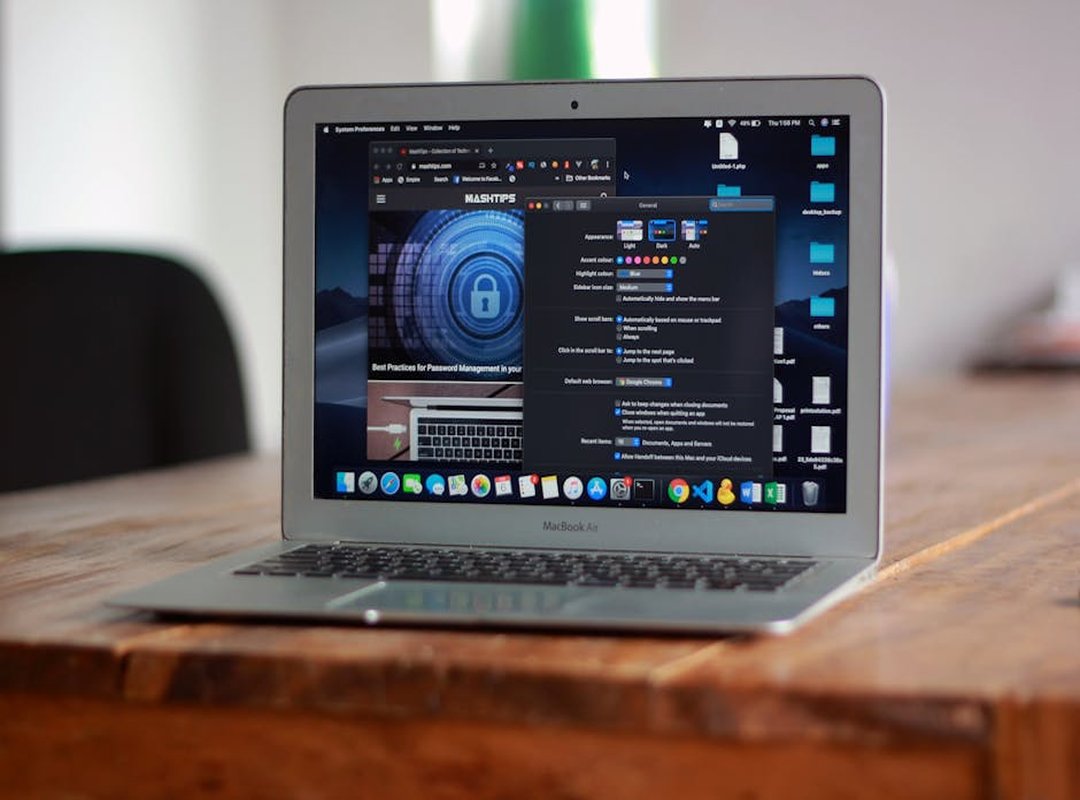
I’ve spent way too many hours staring at that spinning Wi-Fi icon.
It’s not your router. It’s not the cable company. It’s macOS doing its quiet little dance of self-sabotage.
Three things break Wi-Fi on MacBooks more than anything else: messed-up network location profiles, junk certificates in Keychain Access, and rogue kernel extensions.
Let’s fix them. One at a time.
First: nuke your network location. Go to System Settings > Network > three dots > Locations > + > name it Fresh Start > click Make Active. Then re-add your Wi-Fi.
Done. (Yes, really.)
Next: open Keychain Access. Search for your SSID or “Wi-Fi”. Delete any expired or duplicate certs labeled 802.1X or WPA2 Enterprise.
Don’t ask why they’re there. Just delete.
Then: reboot into Safe Mode (hold Shift while powering on). If Wi-Fi works there, a third-party app injected a kext. Antivirus.
VPN. Screen recorder. Disable them one by one until it breaks again.
What to Do if Macbook Keeps Losing Wifi this page? Start here. Not with restarting the router.
Safe Mode is your truth serum. Use it.
You’ll find the culprit faster than you think.
When It’s Hardware or Firmware: What to Check First
If your MacBook keeps losing Wi-Fi, start here. Not with rebooting. Not with resetting NVRAM.
Look at Network settings. Is the Wi-Fi option missing entirely? Do you see “No hardware installed”?
That’s not software. That’s hardware failure.
Try booting into Recovery. Still no Wi-Fi? Reinstall macOS.
Still broken? You’re past the point of troubleshooting.
Open System Report. Go to Network > Wi-Fi. Find “Firmware Version.” Cross-check it with Apple’s official support docs.
Outdated firmware breaks things silently.
Run Apple Diagnostics (power on + D). Note every error code.
Grab logs from Console. Filter for airportd, wifid, nehelper. Copy them.
Then contact Apple Support (but) only after you’ve done all this. Or read more in this guide.
Your Wi-Fi Works Again (I) Promise
I’ve watched people waste hours on this.
You’re not broken. Your MacBook isn’t broken. The Wi-Fi just got tangled (and) tangled things untangle fast.
Start with What to Do if Macbook Keeps Losing Wifi Etrstech. That’s the real fix, not another reboot.
Forget the network. Run Wireless Diagnostics. Done.
Those two moves solve most cases (no) guessing, no third-party apps, no panic.
Skipping steps? Yeah, I know you want speed. But misdiagnosis wastes more time than reading one section.
Which symptom matches right now? Pick that section. Follow it end-to-end.
Test before moving on.
Your MacBook’s Wi-Fi isn’t broken. It just needs the right reset. You’ve got this.
Go fix it.